Get Ceiling Soundproofing
Ceiling soundproofing services help property owners reduce noise transfer and improve privacy in projects like apartment conversions, home theaters, or multi-unit buildings by connecting them with experienced local contractors.
Ceiling soundproofing services are a practical solution for property owners seeking to reduce noise transfer between rooms or from external sources. Whether planning a renovation, upgrading an existing space, or creating a more comfortable environment, exploring local contractor options can help identify effective strategies tailored to specific needs. Understanding the available approaches and comparing different service providers can support informed decisions during the planning process.
Property owners in the area might consider ceiling soundproofing to enhance privacy, improve comfort, or meet specific acoustic requirements. With a variety of local contractors experienced in soundproofing work, it is beneficial to review options and assess the services offered. Continuing to explore these choices can assist in finding the right professionals to handle the project efficiently and effectively.
- Ceiling Soundproofing - when reducing noise transfer between rooms or floors is a priority in residential or commercial spaces.
- Home Theater Room Soundproofing - to improve audio quality and prevent sound from disturbing neighboring rooms or units.
- Office or Conference Room Soundproofing - when creating a quiet environment for meetings, calls, or focused work is essential.
- Apartment or Condo Ceiling Soundproofing - to minimize sound transmission in shared living environments and enhance privacy.
- New Construction or Renovation Projects - requiring professional ceiling soundproofing installation to meet building standards or occupant comfort needs.
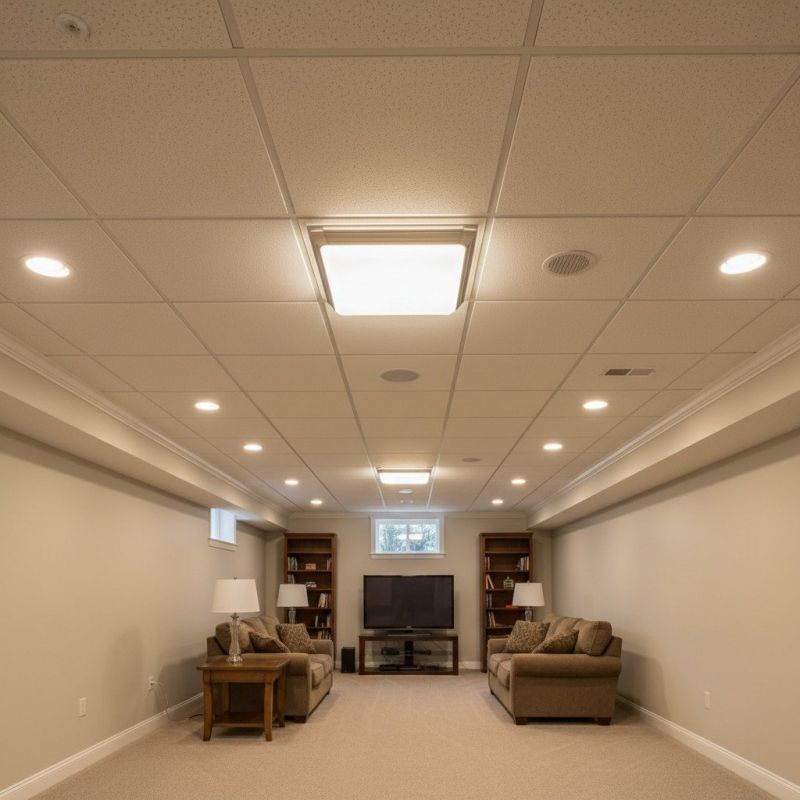
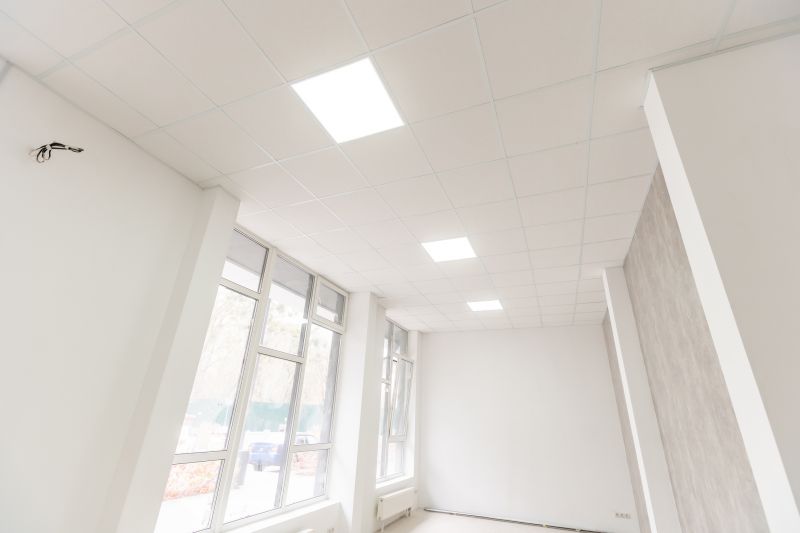
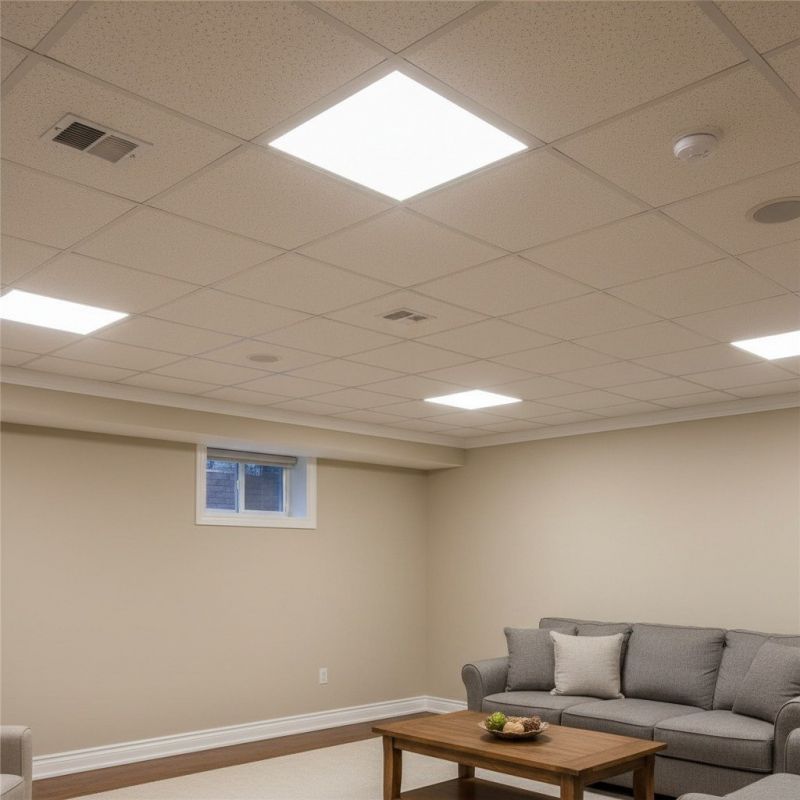
Ceiling soundproofing services involve installing specialized materials and systems designed to reduce noise transmission between floors or rooms. This process typically includes adding acoustic panels, insulation, or resilient channels to the ceiling structure to absorb sound waves and prevent them from traveling into adjacent spaces. The goal is to create a quieter environment by minimizing sounds such as footsteps, voices, or household activities that can disturb occupants or neighbors.
These services are especially useful for addressing common noise issues like loud footsteps in multi-story homes, noise from home theaters or entertainment rooms, or sounds originating from upper floors in apartment buildings. Homeowners who work from home and require a quieter workspace, or families seeking to improve comfort and privacy, often find ceiling soundproofing to be an effective solution. It can also help reduce noise complaints from neighbors in attached or semi-detached properties, making it a practical upgrade for shared living situations.
Ceiling soundproofing is suitable for a variety of property types, including single-family homes, multi-family apartment buildings, condominiums, and townhouses. Residential properties with multiple levels frequently benefit from this service, especially when noise transfer between floors affects daily life. Commercial spaces, such as offices or retail stores located above residential areas, may also use ceiling soundproofing to meet noise control needs. Local contractors experienced in these installations can assess the specific requirements of each property and recommend appropriate solutions.
Homeowners considering ceiling soundproofing typically notice a significant difference in sound levels and overall comfort. This service is often sought when existing ceilings lack sufficient sound insulation or when renovations reveal opportunities to improve acoustic performance. Whether aiming to create a peaceful home environment, meet noise regulations, or enhance privacy, connecting with experienced local service providers can help identify the best approach. These professionals can provide tailored solutions to suit the unique needs of each property, ensuring effective noise reduction and improved living conditions.
The overview below groups typical Ceiling Soundproofing projects into broad ranges so you can see how smaller, mid-sized, and larger jobs often compare in your area.
In many markets, a large share of routine jobs stays in the lower and middle ranges, while only a smaller percentage of projects moves into the highest bands when the work is more complex or site conditions are harder than average.
Smaller Repairs - For minor soundproofing fixes like patching or sealing, local contractors typically charge between $250 and $600. Many routine jobs fall within this range, depending on the size and scope of the repair.
Partial Ceiling Soundproofing - Installing soundproofing on a section of a ceiling usually costs between $1,000 and $3,000. Larger, more comprehensive projects tend to reach the upper end of this range, while smaller jobs stay toward the lower end.
Full Ceiling Replacement - Complete removal and replacement of an entire ceiling with soundproofing materials can range from $4,000 to $8,000. Most projects fall into this middle to higher range, with very complex or large-scale jobs potentially exceeding $10,000.
High-End or Custom Installations - Specialized, custom, or high-performance soundproofing systems can cost $10,000 or more. These projects are less common and typically involve larger spaces or advanced materials handled by experienced local service providers.
Actual totals will depend on details like access to the work area, the scope of the project, and the materials selected, so use these as general starting points rather than exact figures.
Acoustic Wall Panel Installation - local contractors skilled in installing sound-absorbing panels on walls can also handle ceiling soundproofing projects to reduce noise transmission.
Room Soundproofing Renovations - professionals experienced in comprehensive room soundproofing often include ceiling treatments as part of their services to improve acoustic privacy.
Drop Ceiling Installation - experts who install drop ceilings can incorporate soundproofing materials into ceiling grids to enhance noise control in interior spaces.
Soundproofing Material Application - service providers familiar with applying various soundproofing products can adapt techniques for ceiling surfaces to achieve desired acoustic results.
Ceiling Insulation Upgrades - contractors who upgrade insulation in ceilings also possess skills relevant to soundproofing, helping to block noise between floors or rooms.
Suspended Ceiling Systems - specialists in installing suspended ceiling systems can integrate soundproofing elements to improve acoustic performance in commercial or residential settings.
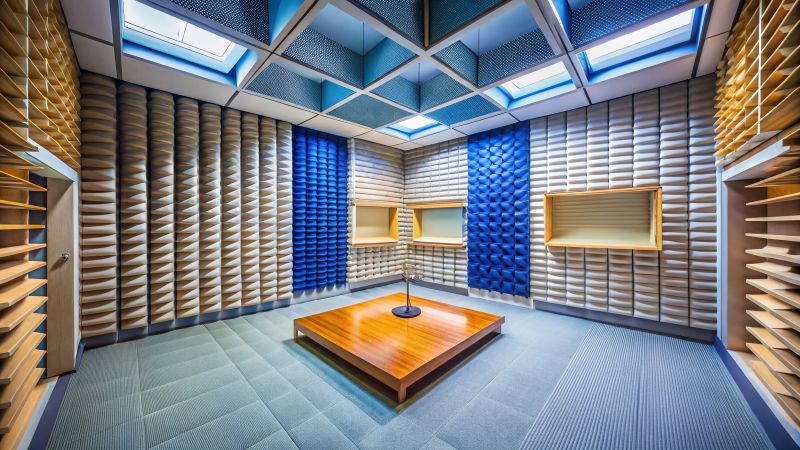
When evaluating potential contractors for ceiling soundproofing, it’s important to consider their experience with similar projects. Homeowners should inquire about the types of soundproofing work the service providers have completed in the past and whether they have successfully handled projects comparable in scope and complexity. A contractor’s familiarity with different ceiling structures and soundproofing materials can impact the quality and effectiveness of the results. Checking for a history of completed projects similar to the homeowner’s needs can help ensure that the chosen service provider has relevant expertise.
Clear, written expectations are essential to a successful soundproofing project. Homeowners should seek service providers who can provide detailed proposals outlining the scope of work, materials to be used, and specific steps involved. Having this information in writing helps prevent misunderstandings and ensures that both parties are aligned on the project’s goals. It’s also advisable to ask how the contractor plans to address potential challenges and to confirm that the proposed approach meets the homeowner’s expectations for noise reduction and overall outcome.
Reputable references and good communication are key factors when selecting a local contractor for ceiling soundproofing. Homeowners can request references from previous clients who had similar work done and follow up to learn about their experiences. Effective communication throughout the process-from initial contact to project completion-can help address questions and concerns promptly, leading to a smoother experience. While the site connects homeowners with local service providers, it’s important to remember that the focus is on helping people compare options and find qualified professionals, not on performing the work itself.
Property owners use Ceiling Soundproofing services for practical projects around their homes and businesses. This guide focuses on everyday jobs and straightforward project options.
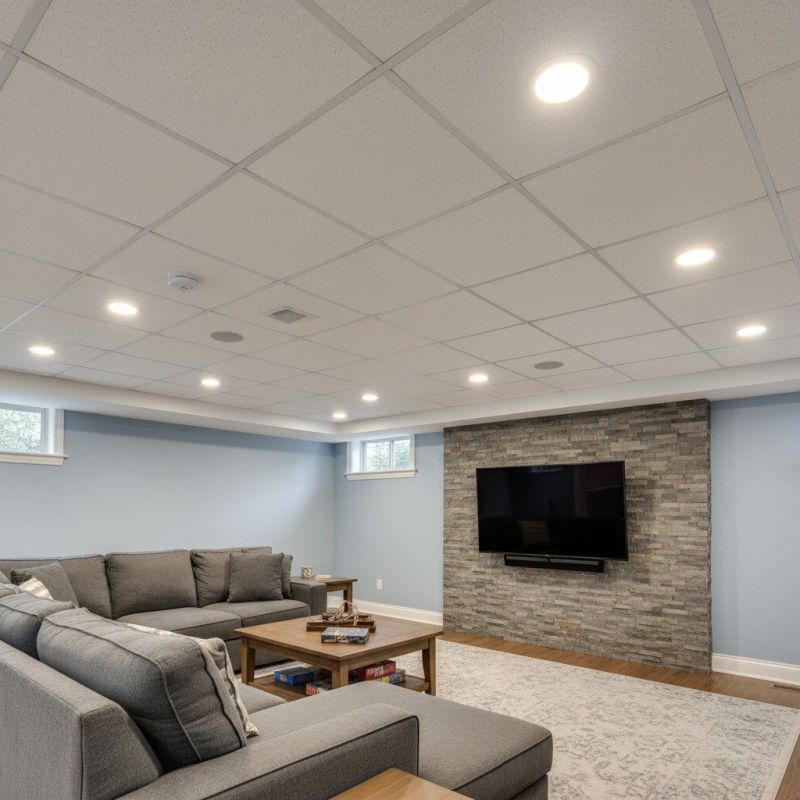
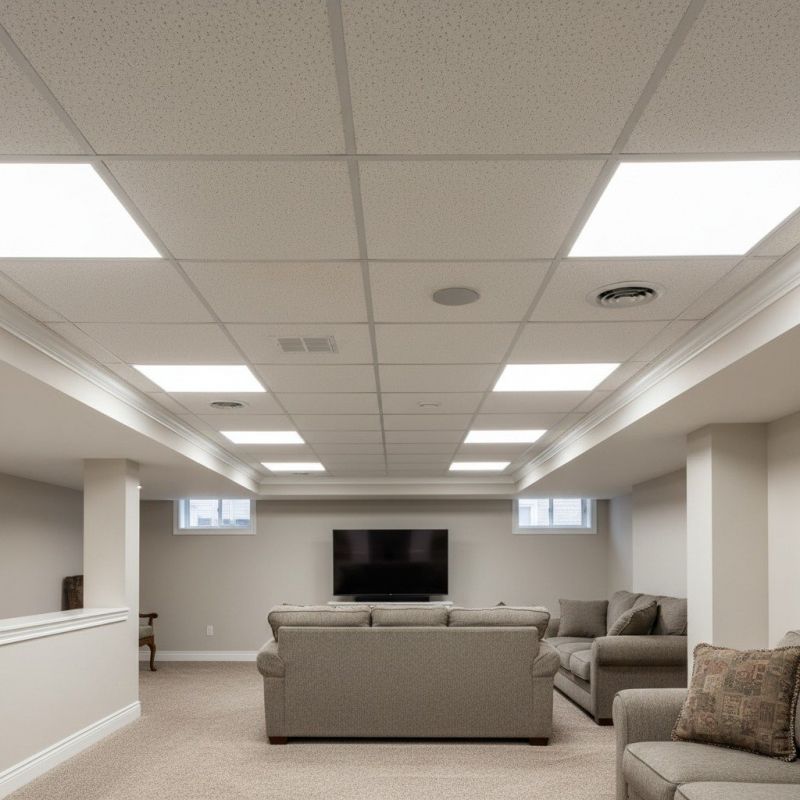
Ceiling soundproofing services are often sought by property owners dealing with noise issues within their homes or commercial spaces. Whether it's reducing sound transfer between floors, minimizing disturbances from upstairs neighbors, or creating a quieter environment for work or relaxation, local contractors can provide solutions tailored to these everyday concerns. These projects typically involve adding insulation, installing specialized panels, or other modifications aimed at improving acoustic comfort without extensive renovations.
Many property owners consider soundproofing their ceilings when preparing a space for a home office, guest room, or media area, where noise reduction is a priority. Additionally, those living in multi-unit buildings or close-knit neighborhoods may look for local service providers to help mitigate sound transmission and enhance privacy. Service providers in the area can assist with assessing needs and implementing effective soundproofing measures suited to various property types and situations.
What is ceiling soundproofing? Ceiling soundproofing involves installing materials or systems designed to reduce noise transmission between rooms or floors, improving acoustic comfort in a space.
How do local contractors install ceiling soundproofing? Contractors typically assess the ceiling structure, select appropriate soundproofing materials, and install them using techniques that minimize noise transfer and enhance sound absorption.
What types of soundproofing materials are used for ceilings? Common materials include acoustic panels, insulation batts, resilient channels, and specialized drywall designed to dampen sound transmission.
Can ceiling soundproofing be done in existing spaces? Yes, many service providers offer solutions for existing ceilings, such as adding insulation or installing acoustic panels without extensive renovations.
What benefits does ceiling soundproofing provide? It can reduce noise from above or below, enhance privacy, and create a more comfortable living or working environment by minimizing sound disruptions.
Reduce noise between rooms - property owners can improve privacy and comfort by installing ceiling soundproofing in shared living spaces or home offices.
Enhance home theater experiences - local contractors can help soundproof ceilings to minimize sound transfer and create an optimal viewing environment.
Improve work-from-home environments - soundproofing ceilings can help reduce distractions and increase productivity in busy household areas.
Minimize noise from upstairs neighbors - property owners can use ceiling soundproofing to lessen disturbances from upper floors or apartments.
If you are thinking about Ceiling Soundproofing for a property, this guide is meant to help you understand the work, the typical project types, and how different options might fit your plans.
When you are ready, you can use the quote form on this page to share a few details about your project. From there, local pros can review the basics and respond with options that match what you have in mind.